Growing Together: A Partnership Rooted in Land, Youth, and Community
20 Paid Internships for Native Youth are Open for Applications
At the REAP Climate Center, we often say that our work is about more than building landscapes—it’s about building relationships.
Over the past five years, REAP has grown into a half-mile-long, living campus shaped from reclaimed and upcycled materials. More than 8,000 visitors have walked this space, engaging with a vision that centers nature as infrastructure—for workforce development, for economic opportunity, and for healing land and community.
As we continue to grow as a trade school for nature-based solutions, we’re reminded that none of this work happens alone. It is made possible through partnership—especially with organizations who share a deep commitment to community, culture, and future generations.
One of those partnerships we hold with particular care is with the Native American Health Center.
Building Trust Over Time
Our relationship began five years ago, when REAP itself was just taking shape. Like many meaningful collaborations, it started slowly—with listening, with showing up, and with building trust.
Leaders from the Native American Health Center’s cultural and workforce teams helped guide us in those early days. Their perspective shaped how we think about training, about land, and about what it means to prepare people for work that is not only technical, but deeply relational.
That grounding continues to influence our programming today—helping ensure that our approach to job training aligns with Indigenous values and long-held practices of stewardship.
Youth, Land, and Learning in Practice
Over the last three years, this partnership has taken root through a shared focus on Native youth engagement.
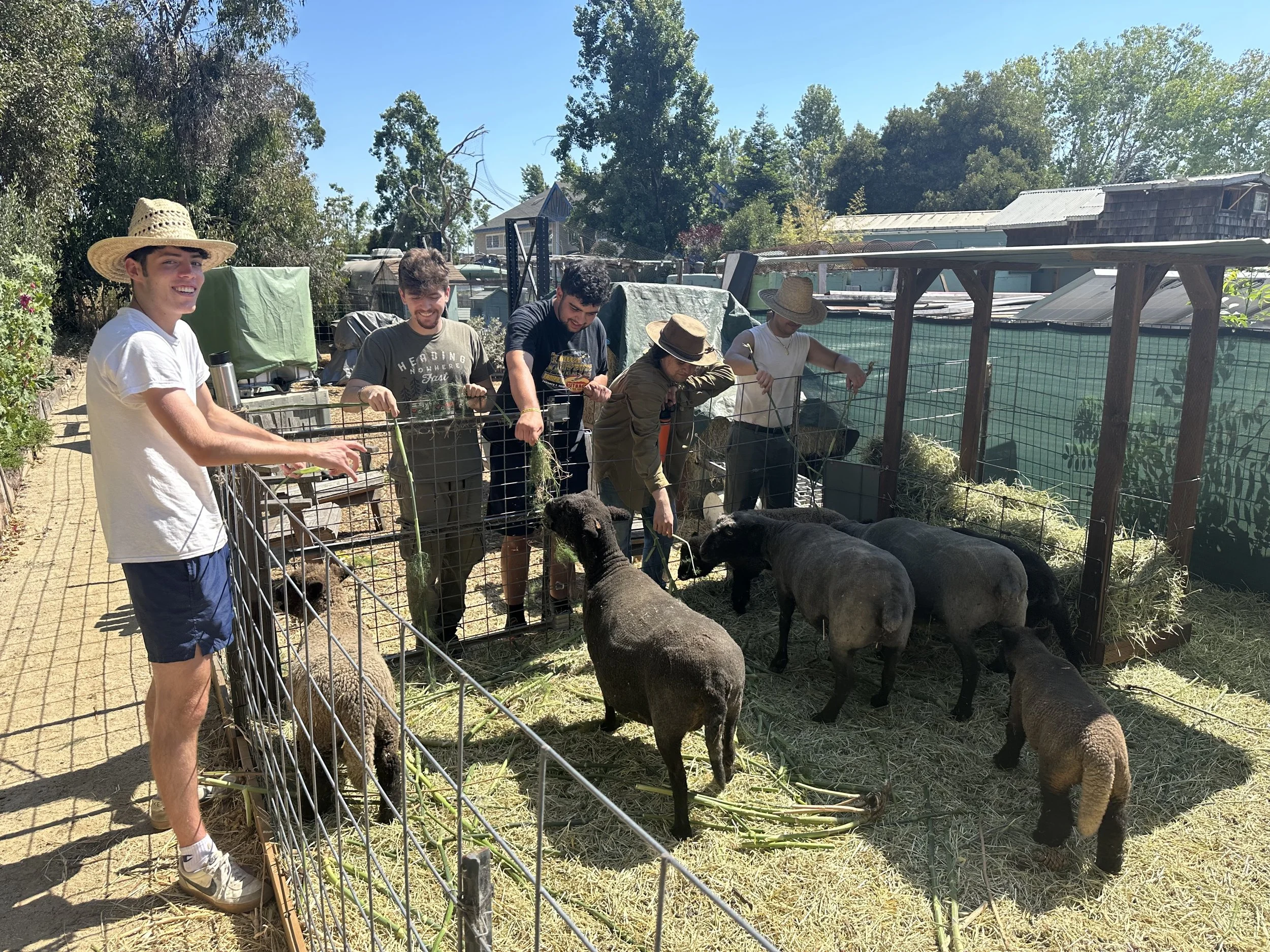
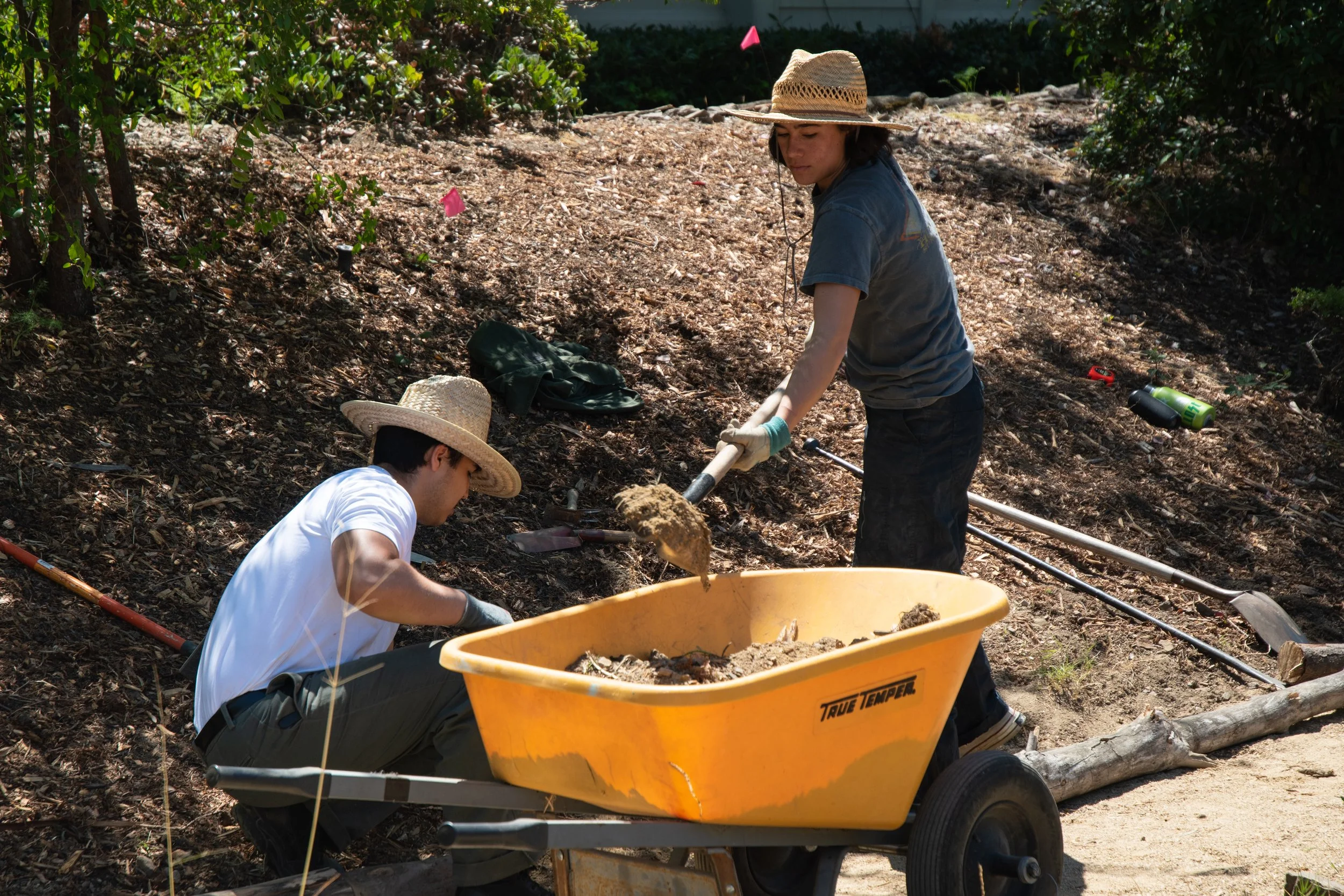
Together, we’ve created paid internship opportunities that bring young people onto the land—not just to learn skills, but to actively shape the REAP campus and participate in regenerative work that has meaning beyond the site itself.
So far, 45 youth have come through the program. Each cohort leaves its mark—on the land, on the space, and within the broader community of practice we’re building together.
These experiences are grounded in reciprocity. As much as we aim to teach, we are continually learning—from participants, from partners, and from the land itself.
An Invitation to the Next Cohort
This year, we’re preparing to welcome 20 more youth into the program.
Due to current funding, 90% of participants will come from the City and County of San Francisco, with two placements available for Alameda County youth. Enrollment is now open.
For young people who feel drawn to working outdoors, to climate and land-based careers, or to being part of something rooted in community—this is an opportunity to step in, gain paid experience, and explore what that path can look like.
And for those who are part of community networks—educators, mentors, organizations, and advocates—this is also an invitation.
If this opportunity brings someone to mind, we hope you’ll share it.
Growing Through Community
REAP’s work has always spread through relationships—through word of mouth, through trusted networks, and through people who believe in what’s possible when we invest in youth and land together.
If you’re able to pass this along—whether directly to a young person, or by sharing through your organization or community—it makes a real difference in helping us reach those who are meant to be part of this next chapter.
You can learn more about the program and apply through our job postings page, and we’ll also be sharing updates across our social channels in the coming weeks.
With Gratitude
We’re deeply grateful to the Native American Health Center for their partnership, their guidance, and their continued collaboration in shaping this work.
As we look ahead, we remain committed to growing earth-conscious industries by centering nature, supporting youth pathways into meaningful work, and strengthening the communities that make this all possible.

Want to check out the 2026 Native Youth Internships? Know someone who might be interested?
Check out the full internship descriptions at reapcenter.org/jobs or download the flyer and share with your friends!