Written by Cailin Notch, Julien Luebbers, and Sophia Strena
Demand for jobs that go beyond a liveable wage is rising: people want jobs that connect them to their communities and the greater good of our planet. To meet this need and better our communities’ resilience, our region needs to expand pathways that connect job-seekers to opportunities in regenerative fields. The Regenerative Jobs Program, a partnership between the Alameda-based REAP Climate Center and Greenbelt Alliance, seeks to do just that. This program – funded through the California Jobs First Initiative – trains workers for careers in composting and biochar, thereby addressing environmental resilience, community economic needs, and industry hiring challenges. From March to May of 2026, 40 participants will be trained in regenerative practices with a variety of career pathways but which currently lack a clear workforce pipeline. Participants of the Regenerative Jobs Training Program will receive training in compost and biochar, as well as receive professional development training and job coaching.
From late December 2025 through January 2026, the Regenerative Job Programs solicited applications from across the Bay Area. Now that applications are closed, it’s easy to see that the program addresses a pronounced need among community members. Interest in the program was overwhelming: almost 180 people applied to the program for a cohort of 40, (over four times the number of spots available). Out of those applicants, three-quarters indicated that finding a job was among their goals for joining the program, with over half specifically flagging interest in a job in regenerative agriculture, and almost half showing interest in waste management. Additionally, across responses, the opportunity to do work with community and with the environment was described as a significant motivator for applying to the program. In terms of reasons for applying, it was second only to the general need for quality work.
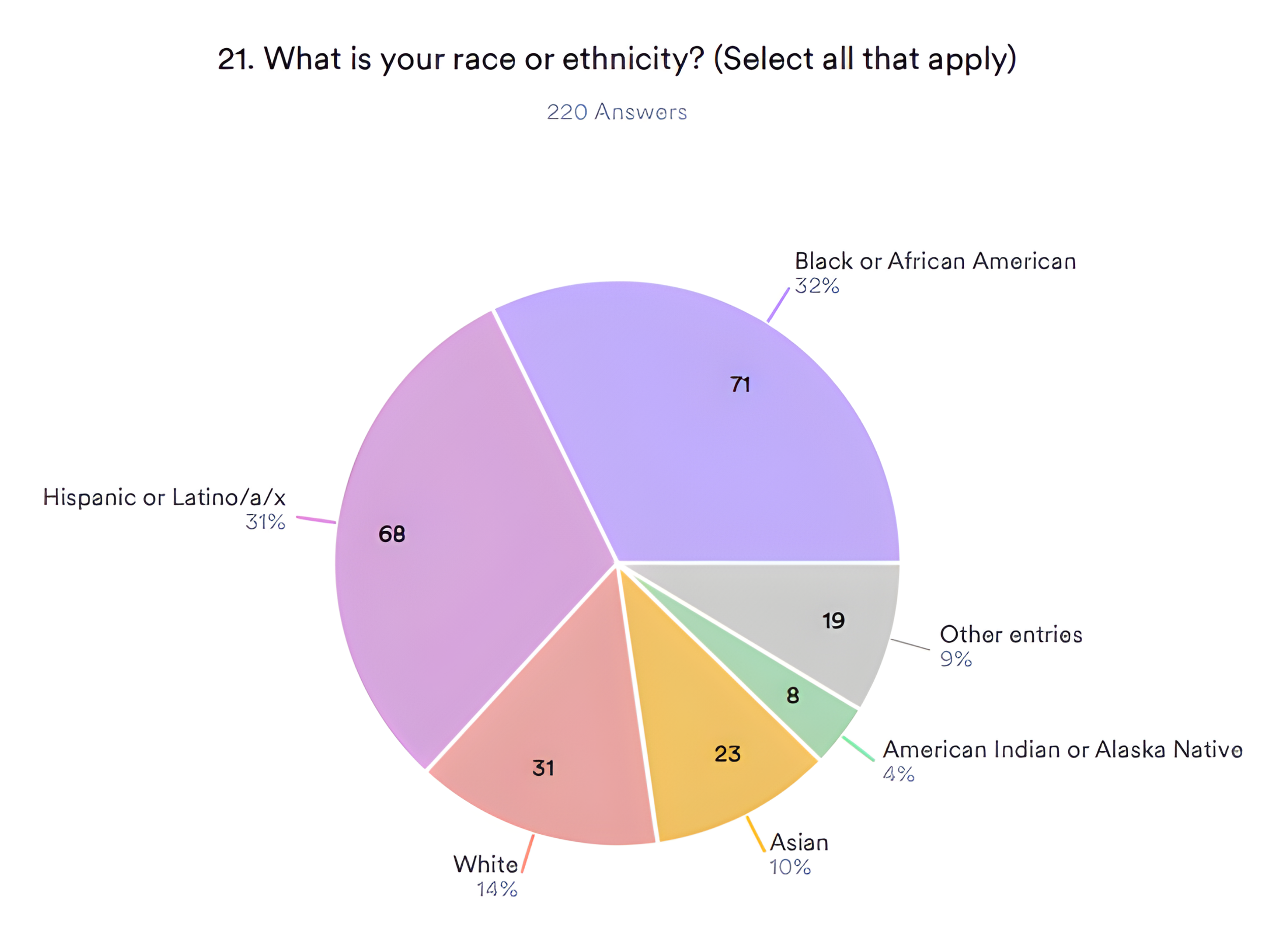
The data also shows that a majority of applicants come from communities that have historically been excluded from economic and environmental opportunities, including low-income, Black, Indigenous, and People of Color (BIPOC) populations, veterans, and those re-entering the workforce. For example, 85 percent identified as one of the communities listed above. Another 77 percent identify as Black, Indigenous, and People of Color (BIPOC). Almost half of applicants qualify for Calfresh benefits, and ten percent are veterans. Not only does the significant response from these communities indicate that the program offerings are aligned to communities’ needs, it also shows that the efforts of the program to reach these communities was a success.
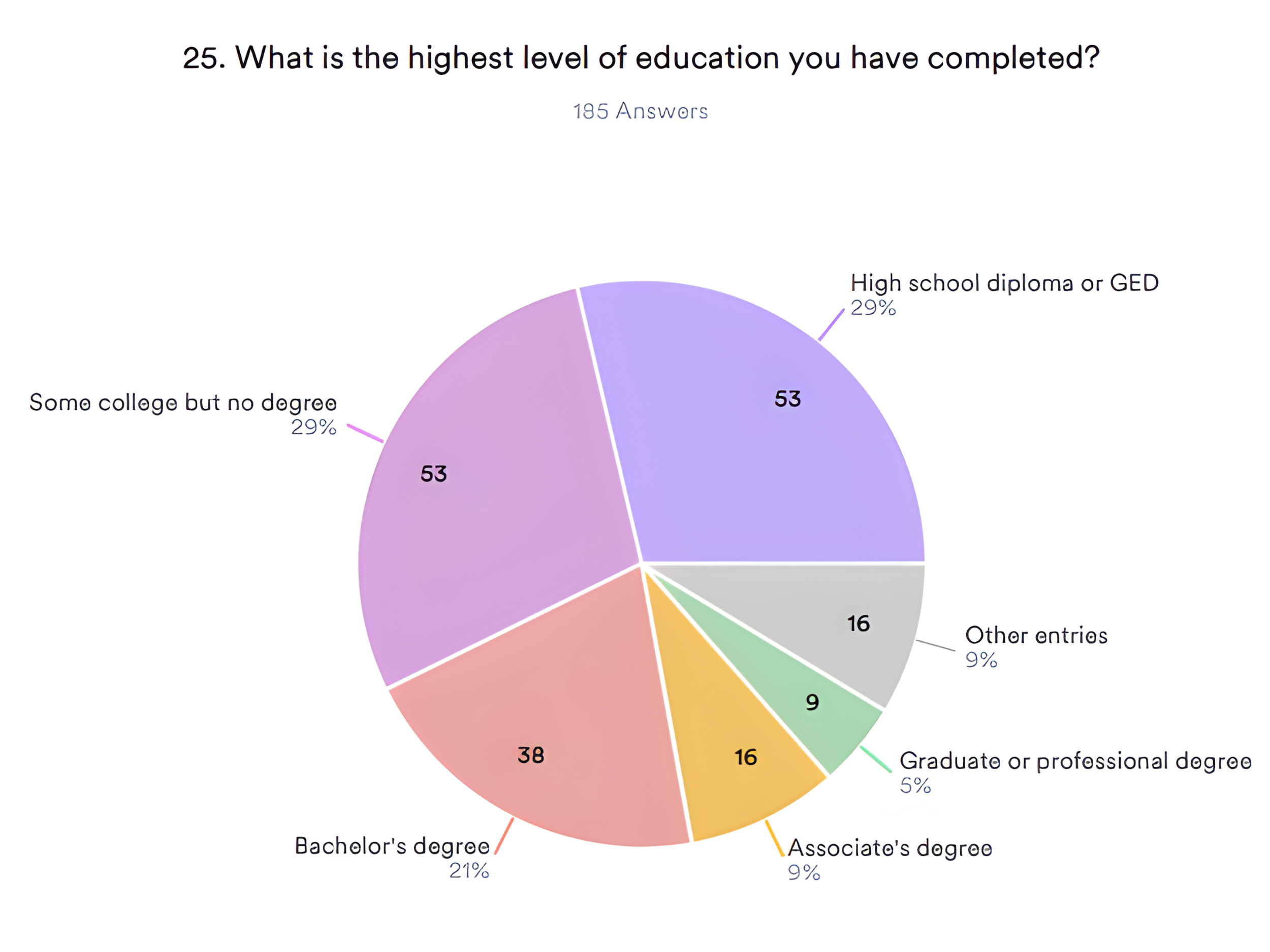
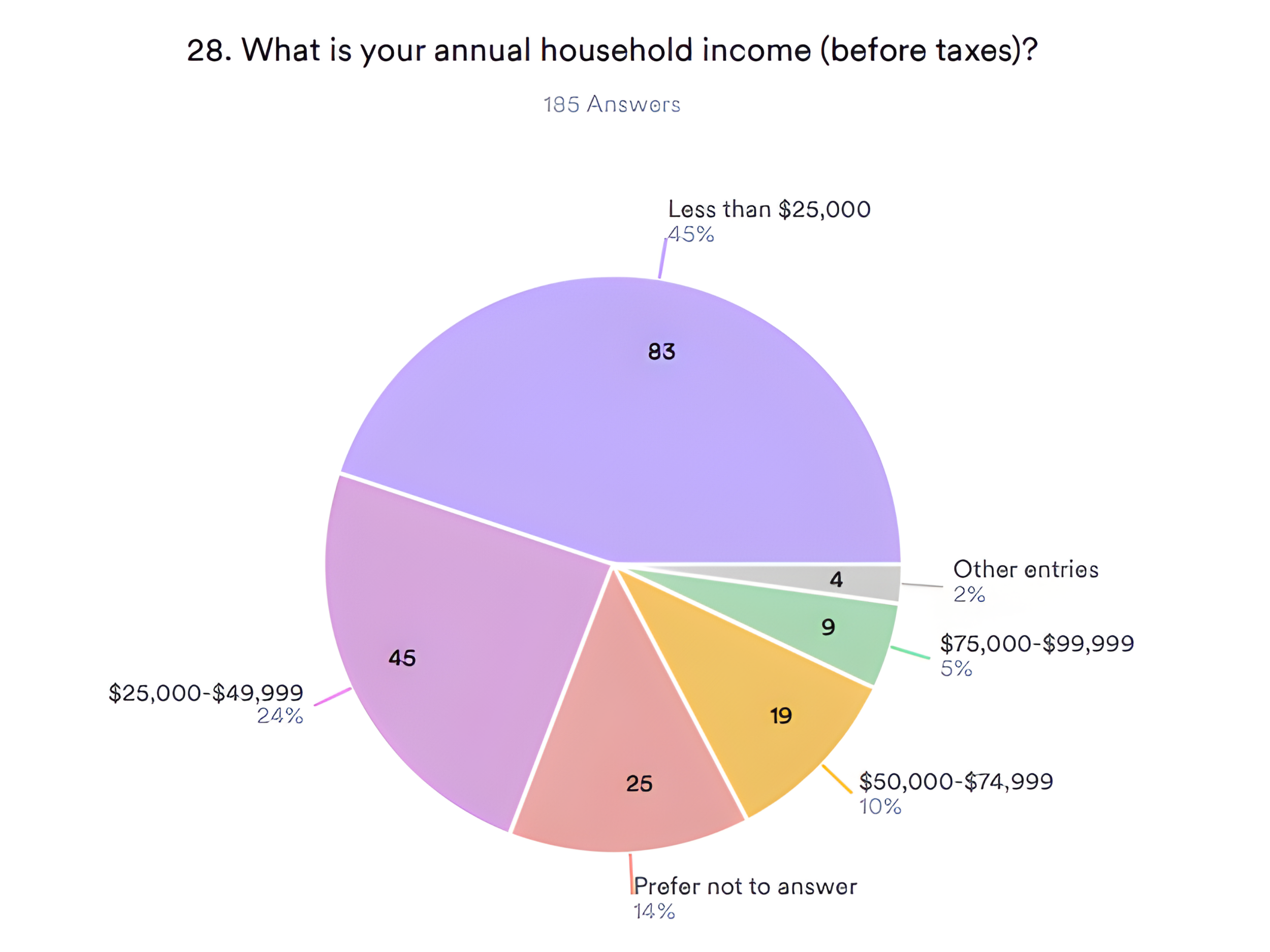
Across all 180 applicants, the most pressing need identified was simply access to quality jobs. For example, almost 40 percent of applicants are currently unemployed, and almost 60 percent have no post-secondary education. Simultaneously, the program’s industry research suggests that both compost and biochar are struggling to keep pace with an increase in demand. Even though these practices are economically viable, a number of constraints result in growing pains for these industries.
Though it is by no means the sole challenge for these industries, having a skilled and ready workforce is a major barrier to their development. Training programs like the Regenerative Jobs Program connect job-seekers with opportunities in these expanding industries. Our research shows that while there are many compost training programs for at-home or community level operations, there are very few entry-level professionalization programs. Smaller trainings provide hands-on experience with building and maintaining compost piles, but focus on backyard and community scale methods. Conversely, major certifying bodies in the compost industry focus on upskilling and certifying experienced workers; there is a notable gap for entry level workers who might be interested in these fields and employers that need to hire for such roles.
The Regenerative Jobs Program bridges these gaps through research-driven curricula that have been created in collaboration with major certifying bodies and industry stakeholders. In addition to compost and biochar curricula, the program includes professional development training designed to support workplace success and longevity, which enhance opportunities for career progression, and provide skills linked to job retention and employee/employer satisfaction. Professional development curriculum includes resume writing, networking, self-advocacy, emotional intelligence, and conflict resolution. The curriculum draws from the expertise of a steering committee of workforce development professionals who together bring decades of experience. The steering committee of six workforce organizations has been crucial to ensuring that equity is centered at every turn, from the application process to curriculum development to the program schedule.
Our hope is for this to be the first iteration of this program among many, and that we can continue to address challenges for job-seekers and industry leaders alike. The goal of the Regenerative Jobs Program is to put into practice the idea that there are well-paying jobs that can also make a positive impact on the world. Ultimately, we hope to bring resilience to communities, businesses and the environment, leading us to a more prosperous world.